
The consultation
Your hair and scalp consultation
Every hair restoration journey at The Hampton Clinic begins here. This is not an appointment to choose a treatment. It is the appointment where we find out what is actually happening to your hair.
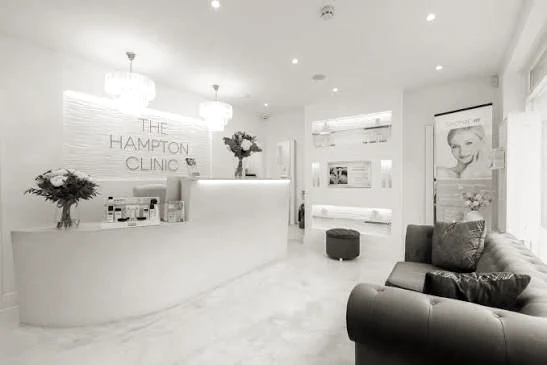
Plate 05 — Winter light, a Bristol interior
What we take time to understand
- When you first noticed changes in your hair
- How the hair loss or shedding has progressed
- The pattern of thinning or loss
- The condition of your scalp and existing hair
- Relevant health, lifestyle and family history
- Previous treatments
- Your concerns, priorities and expectations
From there we can discuss what may be contributing to your hair loss, what may realistically be improved, and which next steps may be appropriate. Where further medical investigation or referral is advisable, this may be recommended before treatment begins.
Under the microscope
Tarek examines your hair and scalp under a microscope, which lets us look closely at the condition of the scalp, the affected areas and the hair that remains.
Importantly, he shows you what he can see. This lets you understand what is happening with your own hair rather than simply being told that you need a particular treatment.
Microscopic images are taken at the beginning to establish a baseline, with progress formally reviewed every 2 months so we can compare changes objectively and assess how your hair is responding.
When the answer is no
The assessment also establishes whether there is enough viable hair remaining to realistically work with.
If Tarek does not believe treatment is appropriate or likely to benefit you, he will tell you rather than recommend treatment for the sake of treating you.
He has turned people away from treatments they have asked for when he did not believe they were suitable or likely to benefit. That is not a marketing line. It is the reason the assessment happens first.
The practical detail
- Length. Most consultations take 45 to 60 minutes.
- Cost. Consultations are complimentary. We ask for a £25 holding fee to secure the appointment, fully refunded when you attend, or deducted from the cost of your programme if you choose to proceed.
- Preparation. None needed. You do not need to know which treatment you want before booking.
- Obligation. None. Whether you proceed or not, the aim is that you leave understanding your own hair better than when you arrived.
- Where. 177 Whiteladies Road, Bristol, BS8 2RY.
Questions
Before
you book.
Do I need to know which treatment I need before booking?
No. Your consultation exists to help you understand what is happening to your hair. Our role is to assess your individual situation, answer your questions and explain which approach is appropriate for you. You need no prior knowledge before visiting us.
How much does a consultation cost?
Consultations are complimentary. We ask for a £25 holding fee to secure your appointment, which is fully refunded when you attend, or deducted from the cost of your programme if you choose to proceed.
How long does the consultation take?
Most consultations take approximately 45 to 60 minutes, which gives us time to understand your concerns, examine your hair and scalp under the microscope, and discuss the most appropriate options available to you.
Am I suitable for hair restoration treatment?
Suitability varies from person to person. The assessment establishes whether there is enough viable hair remaining to realistically work with. If Tarek does not believe treatment is appropriate or likely to benefit you, he will tell you rather than recommend treatment for the sake of treating you.
Will I be pressured into starting treatment?
No. Our consultations are designed to provide honest advice and help you make an informed decision. Whether you choose to proceed with treatment or not, we want every patient to leave feeling informed and confident they have been given honest advice.
When will I start seeing results?
Hair restoration is a gradual process and results vary between individuals. Microscopic images are taken at the beginning to establish a baseline, and progress is formally reviewed every 2 months so changes can be compared objectively rather than from memory.